
Climate risk supervision: SupTech for ESG and climate data
Climate risk SupTech is the technology supervisors use to collect, check and compare the climate and ESG data the firms they oversee report, such as exposures to physical and transition risk and the results of climate scenario exercises. Line4 does this for supervisors: it collects ESG templates and climate returns in XBRL, xBRL-CSV, Excel or CSV, runs every validation rule as each one lands, compares each firm’s climate exposures with its peers and its own history, and turns what stands out into casework your supervisors decide.
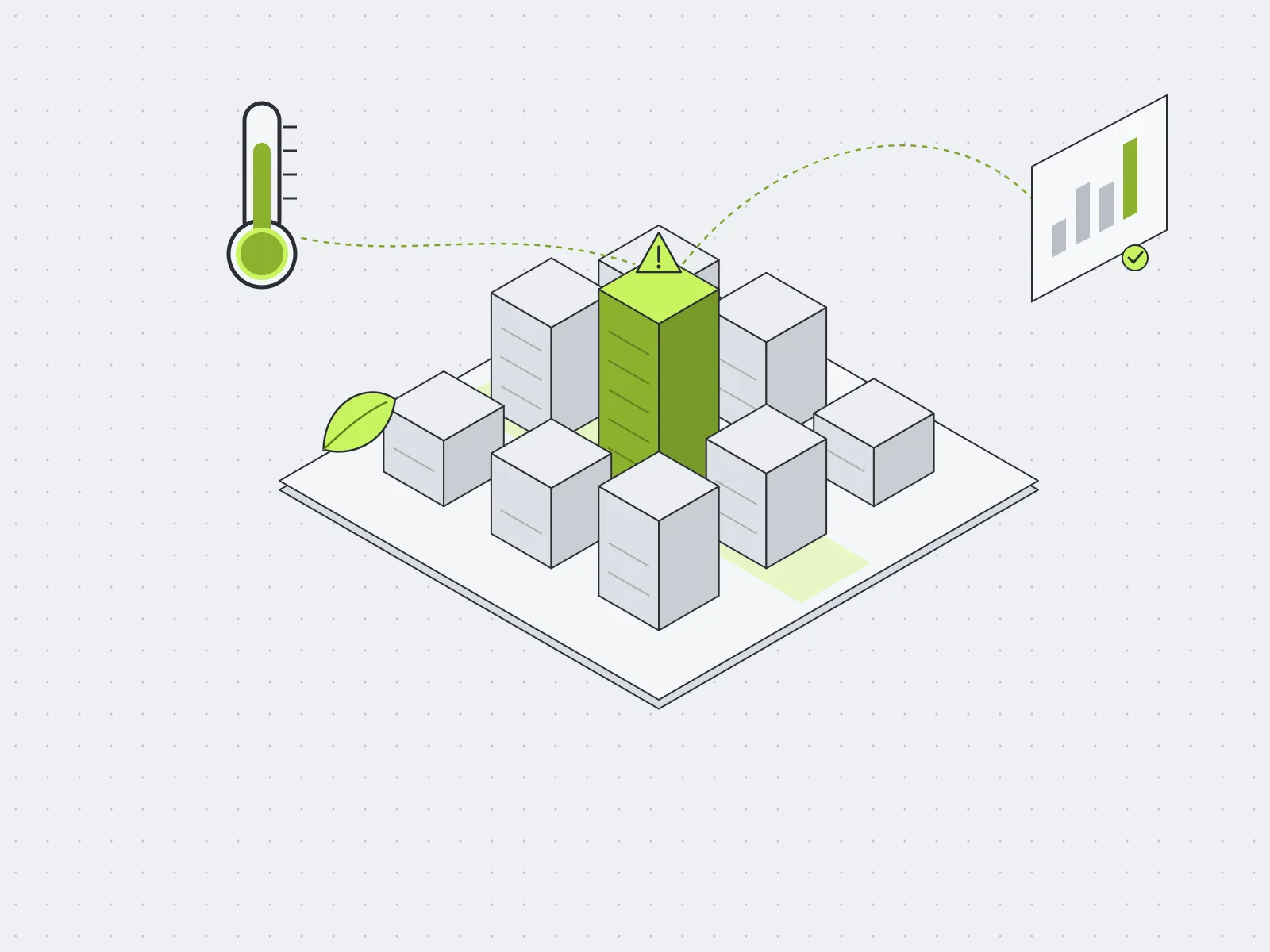
The problem today
- Climate and ESG data arrives in new templates, often ad hoc, before it joins regular reporting.
- Exposure, emissions and scenario numbers are hard to check for consistency across firms.
- Climate findings sit apart from the prudential returns they should be read with.
- Active validation rules
How Line4 does it
- 01
Collect climate data like any return
ESG templates, Pillar 3 ESG disclosures and scenario exercise results arrive by portal or API in XBRL, xBRL-CSV, Excel or CSV, validated against your taxonomy and rules as they land.
- 02
Deterministic checks
Completeness, totals and cross-checks against the firm’s own FINREP and COREP data give the same result every time, so firms fix errors before your analysts start.
- 03
Every firm compared
Every template stored as structured facts, so transition risk by sector, physical risk and green asset ratios line up firm by firm, against peers and over time.
- 04
From outlier to decision
Rules and AI flag the firm whose climate numbers stand out, read the narrative that explains them and open a case with the evidence linked. Your supervisors decide.
Proven in production
At an international financial regulator
- A prudential submissions portal with real-time validation, replacing macro-driven Excel, in production at an international financial regulator.
- Real-time validation removed a key-person dependency.
We used to struggle to get anything across the line, and now things are flying through. People are reaching out to us. There’s a lot more trust built here.
Questions
What is climate risk SupTech?
The use of technology by financial supervisors to collect, check and analyse the climate and ESG risk data that banks and insurers report, from exposures to physical and transition risk to the results of climate scenario exercises. In the Cambridge State of SupTech Report 2024, 30% of authorities with a SupTech solution prioritised climate and ESG reporting. Line4 is SupTech for that work: it collects and validates every climate return as it lands and compares each firm with its peers.
Source: Cambridge SupTech Lab, State of SupTech Report 2024, executive summary
What climate data do EU banking supervisors collect?
Two streams. Under EBA Decision EBA/DC/498 of July 2023, national supervisors collect the quantitative ESG data large listed banks disclose under Pillar 3 and send it to the EBA, until ESG risks join regular supervisory reporting. And the Pillar 3 ESG disclosures themselves follow the EBA’s ESGDIS templates under Article 449a CRR, covering climate transition risk by sector, physical risk and the green asset ratio. Line4 collects both, in XBRL, xBRL-CSV, Excel or CSV, and runs every rule as they land.
Source: EBA Decision EBA/DC/498
How do supervisors outside Europe collect climate data?
In Canada, OSFI’s Guideline B-15 on climate risk management says federally regulated financial institutions will be required to complete standardized climate scenario exercises and report the results to OSFI, alongside climate-related disclosures. Line4 collects scenario results and disclosure data the same way as any other return: checked as they land, stored as structured data, compared across institutions.
Can Line4 check climate data against a firm’s other returns?
Yes. Because every return is stored as structured facts, Line4 cross-checks a firm’s ESG exposures against its FINREP balance sheet and COREP data, so a sector exposure that does not match the loan book is flagged on the day the data lands.
Does it help with greenwashing?
Yes. Line4 AI reads the narrative disclosures and sustainability reports behind the numbers and flags claims the reported data does not support, with each flag linked to the words and figures it came from. A supervisor decides what to follow up.
Where does the data live?
Line4 runs in your own cloud tenancy, ideally Azure or AWS, using managed AI services such as Azure AI Foundry or Amazon Bedrock, so your data stays in your own environment.
Ready-made checks for the returns you already collect
Our returns library tracks 2,223 returns at 48 regulators in 35 jurisdictions, 690 of them in XBRL, with the format and validation rules for each.
Key terms and guides
More of the platform
- Regulatory data collection
- Regulatory returns validation
- AML supervision
- Enforcement case management
- Insurance supervision
- Risk-based supervision
- Supervisory analytics
- AI review of regulatory returns
- Early-warning indicators
- Agentic triage of submissions
- Network and connected-party analysis
- Monitoring for unauthorised activity
- SupTech software: the whole platform
- XBRL software for regulators
- What is SupTech?
See climate risk supervision in Line4
A demo shows the real screens with sample data. If you want proof on your own data first, run a real filing through Line4 Check, free, with no call and no account.
Our view
RegTech and SupTech are converging on real-time supervision by 2030. Line4 is built for that: checks at the gate in seconds, AI you can audit, and a switch that takes a week.