
SupTech for payments and e-money supervisors
Payments supervisors oversee many small, fast-growing firms that each file safeguarding, own funds, transaction and fraud returns, often in different formats. Line4 checks every return against your templates and rules the moment it is submitted, stores it as structured data so firms can be compared with each other and with their own history, and raises the firm that stands out for a supervisor to decide.
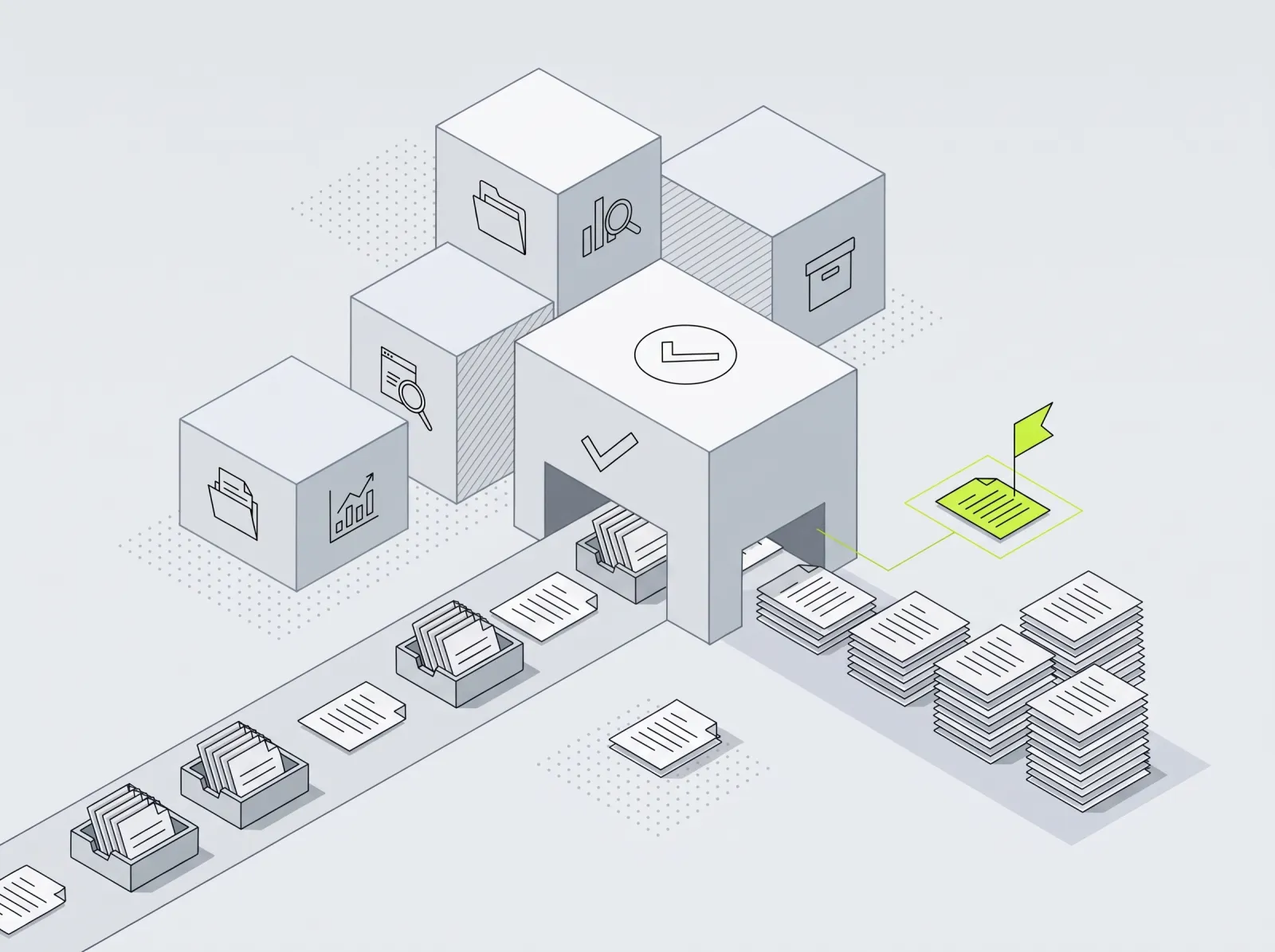
What payments supervisors need from SupTech
- 01
Safeguarding and own funds, checked as they land
Safeguarding, own funds, transaction volume and fraud returns in XBRL, Excel or CSV, by portal, API or MCP, validated against your templates and rules at submission, so a small firm fixes its errors before your analysts open the file.
- 02
A whole sector you can compare
Every return stored as structured facts, so funds held for customers, payment volumes, fraud rates and capital can be compared firm by firm and against each firm’s own history the day the data lands.
- 03
From outlier to decision
Rules and AI flag the firm whose safeguarding, fraud or growth stands out, read the audit reports and attachments behind the numbers, and open a case with the evidence linked. Your supervisors decide, and every decision is recorded.
Proven in production
Four systems in six months at an international regulator
AML supervision intelligence, enforcement case management, a prudential submissions portal with real-time validation, and an incumbent vendor platform replaced. Competitors quoted eighteen months.
Who it is for: Payment and e-money institution supervision teams, Central banks overseeing payment systems, Supervisors of money remittance and mobile money providers, Fintech authorisation and innovation units.
We used to struggle to get anything across the line, and now things are flying through. People are reaching out to us. There’s a lot more trust built here.
Ready-made checks for the returns you already collect
Our returns library tracks 2,096 returns at 46 regulators in 33 jurisdictions, 665 of them in XBRL, with the format and validation rules for each.
Questions
Which payments returns can Line4 collect?
Whatever returns your regime sets: safeguarding confirmations, own funds calculations, transaction and e-money volumes, PSD2 fraud statistics, operational and security risk reports, and annual accounts. The platform applies your own templates and validation rules at submission, in XBRL, Excel or CSV.
Do you know how other authorities collect these returns?
Yes. Our returns library describes more than 90 payment, e-money and remittance returns from 24 regulators, including the Central Bank of Ireland’s payment and e-money institution returns, Banka Slovenije’s payment system operator reports and the Central Bank of Kenya’s payment service provider returns, with the format and portal each one uses and a link to the source.
Our payment firms do not file XBRL. Does this still fit?
Yes. Many payments returns are national templates in Excel, CSV or XML. Firms file what your rules set, and each file is checked against those rules as it lands. If you later move the sector to XBRL, the same checks carry over.
Can it help with safeguarding supervision?
Yes. Safeguarding figures arrive as structured data, so a gap between funds owed to customers and funds safeguarded, or a sudden change against a firm’s own history, is raised for a supervisor on the day the return lands, with the audit report or attachment linked.
How long until we see something live?
Weeks. We start with one high-volume return, such as the periodic safeguarding or fraud return, in your own cloud tenancy and extend from there.
Related
Platform modules
Our view
RegTech and SupTech are converging on real-time supervision by 2030. Line4 is built for that: checks at the gate in seconds, AI you can audit, and a switch that takes a week.