
SupTech software for the supervisory data lifecycle.
Built for real-time supervision: data straight from firms, checked the moment it lands, read by AI and acted on by your supervisors. One platform, deployed by our engineers inside your team.
Running a tender? Send us the RFP. A firm that sends returns? See Line4 for firms.
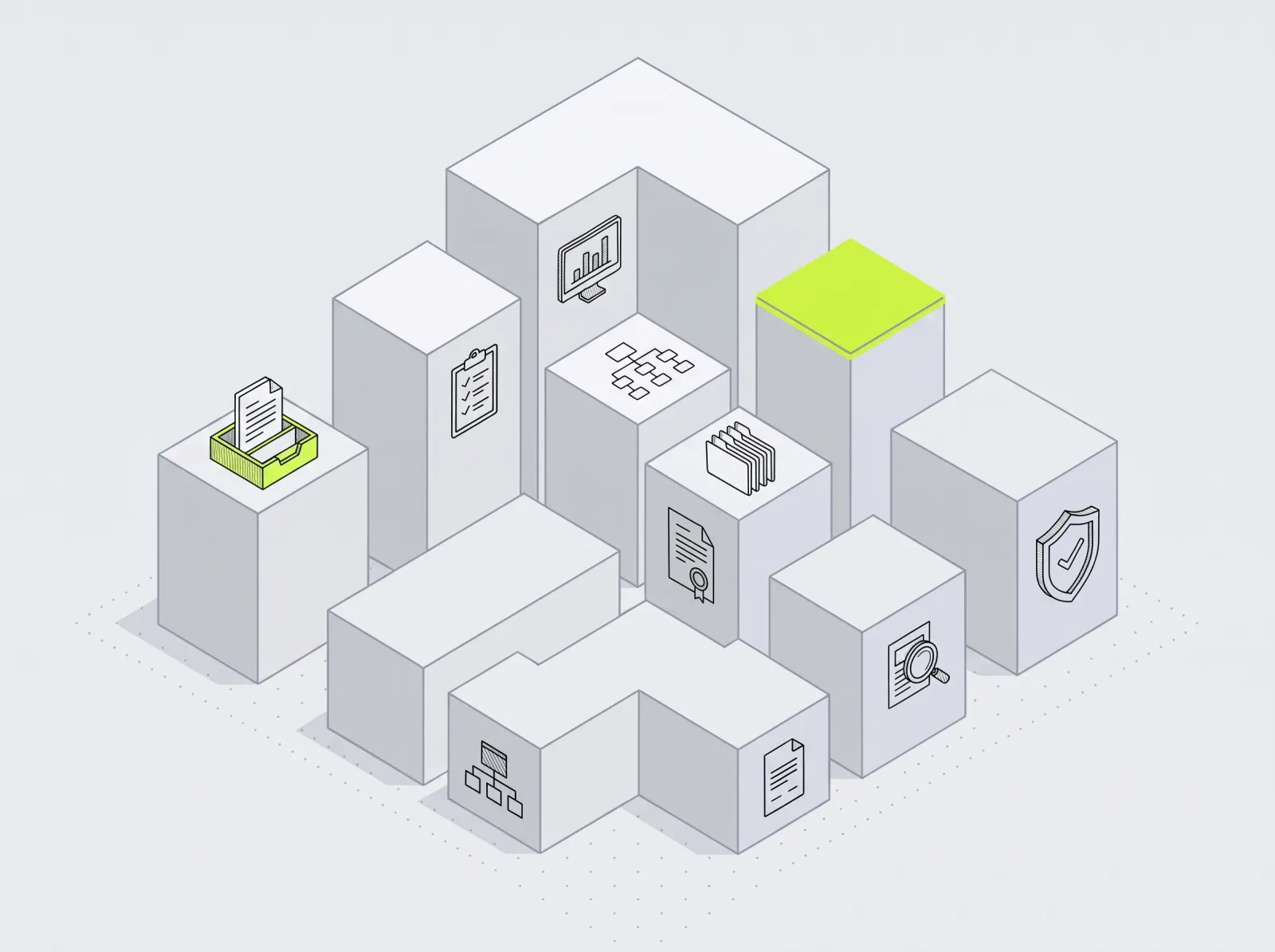
- Line4.CollectStraight-through reporting: returns in XBRL, Excel or CSV through a secure portal, an API or MCP, validated as they land. Same input, same result, every time.Proven at a regulator
- Line4.IntelligenceAI that reads returns and attachments, structures what was messy and surfaces what needs a supervisor.Proven at a regulator
- Line4.CaseworkFindings become cases, with the evidence and the rule that raised them attached.Proven at a regulator
- Line4.ReportingSubmission and XBRL-ready reporting for both sides of the filing.Proven at a regulator
- Your frameworkWhat your supervision needs that the core does not do yet. Our engineers build it with you on the same core.Built with you
Line4 AI suggests
Liquidity ratio fell 38% on Q2. The narrative mentions a new funding line that is not in the template.
Senior supervisor decides
Agreed. Send the firm a query and attach both pages.
Decision recorded · evidence trail updated
One return, start to finish.
A return lands and is validated on arrival. Rules pass what is right and flag what moved. AI reads the narrative against the numbers and says what it found, with sources. A supervisor decides what happens next, and the decision is recorded.
Every return checked on arrival.
One hour of computing checks 7 real returns with a widely used open-source processor. Line4 checks about 5,400. Less computing means smaller servers and less energy, so every return can be checked the moment it lands.
See the benchmark- Open source
- Line4
From the benchmark: 56 real returns, same machine. The open-source processor took 7.7 hours of computing, Line4 37 seconds.
How Line4 is built.
Returns go in. One core does the work in layers: your data model, taxonomies, AI reading, casework, and the rules your team owns and versions. A supervisor decision comes out, with the evidence attached. The same core is the foundation for real-time supervision, with firms' systems sending validated data straight through.
Buy or build? Line4 is both.
Vendor platform
Strengths
- Proven at scale
- Vendor runs the infrastructure
- Standard frameworks covered
Trade-offs
- Rule and taxonomy changes wait for vendor releases
- Priced for the largest authorities
- AI arrives when the vendor ships it
Line4
A vendor when you want one, a build when you need one.
What you get
- Like buyingA working platform from day one: collection, validation, AI review and casework
- Like buyingWe can host and run it for you, or it runs in your own Azure or AWS tenancy, or on premises
- Like buildingShaped to your framework: your team changes rules and taxonomies, and the code and data are yours
- Like buildingEngineers embedded with your team, building what your supervision needs on the same core
- Only Line4Live in weeks, not years, with AI inside the work and supervisors making every decision
Build in-house
Strengths
- Full control of code and data
- Fits your processes exactly
Trade-offs
- Multi-year delivery risk
- Depends on a few key people
- Every change lands on your IT team
Built for every kind of supervisor
Supervisors have adopted AI. Mostly to write summaries.
Useful, but it sits beside the supervision rather than inside it, and few authorities can evidence how it behaves. That is the gap Line4 is built for.
of central banks rate their ability to monitor AI governance as high.
BIS, AI readiness in central banks, Oct 2026 →AI reads. Rules check. People decide.
- 01
AI reads
Every return, filing and attachment, as it lands, and suggests what needs attention. Messy spreadsheets become structured data a supervisor can query.
- 02
Rules check
Validation and plausibility checks are deterministic. The same filing gives the same result on any day, for any analyst.
- 03
AI earns trust
AI suggestions are scored against your experts’ decisions on evaluation sets and in live use. It takes on routine work only where the evidence holds.
- 04
People decide
Supervisory outcomes stay with people. Every finding links to its data, rule and decision-maker, so it can be explained to a board or a court.
Questions regulators ask us
What is SupTech?
Supervisory technology: the software financial authorities use to collect data from the firms they oversee, analyse it for risk, and act on what they find.
What does SupTech software do?
It runs the supervisory data lifecycle. It collects returns from regulated firms in XBRL, Excel and CSV, by portal, API or MCP. It validates each one as it lands, analyses it for risk with rules and AI, and manages the follow-up and enforcement cases, with an evidence trail from data to decision.
What should a regulator look for in a SupTech provider?
Eight things: a structured data model rather than one document format; validation rules your own team can change; a named example of a fast framework change; AI that works inside the workflow with every finding traceable; hosting in your environment and a clean exit; a delivery team that works with your supervisors; replacing legacy systems one piece at a time; and the five-year cost, not just year one.
How is SupTech different from RegTech?
RegTech is technology regulated firms use to meet their obligations. SupTech is technology supervisors use to oversee those firms. They meet at the regulatory return: firms prepare and file it with RegTech, supervisors receive, check and act on it with SupTech.
How do you keep AI predictable?
AI does the reading and suggests. Deterministic rules make the checks that must be repeatable, every finding traces back to its data and rule, and supervisors make the decisions. AI takes on more only when evaluation sets and live evidence show it matches your experts.
Does Line4 support XBRL?
Yes. Line4 collects and validates XBRL, including XBRL Formula assertions and xBRL-CSV, alongside Excel and CSV, against your taxonomies. In our benchmark against the open-source reference processor it agreed on 99.95% of 417,531 formula assertions across EBA, EIOPA and ESEF filings, and validated a large FINREP return in 16 seconds against 4.2 hours.
Can firms’ systems submit data straight through?
Yes. Alongside the portal, firms or their RegTech providers can submit by API or MCP, and every submission is validated against the supervisor’s rules as it lands. That is straight-through reporting, and it is the foundation for real-time supervision.
Is Line4 suitable for central banks?
Yes. Central banks use the same flow for prudential and statistical returns: collection by portal, API or MCP in XBRL, Excel or CSV, validation as the data lands, and storage in a structured model, so a later move to granular collection is an iteration rather than a new platform.
What makes Line4 different from other SupTech platforms?
Three things. Validation fast enough for granular, frequent data: seconds per large return, not hours. Rules and data your own team owns and can change. And engineers who deploy inside your team, with the first workflow live in weeks. It is built for where supervision is heading: validated data flowing straight through from firms, watched as it changes.
Will this replace supervisors?
No. It removes the re-keying and chasing so your team can supervise more firms, earlier and in more depth. The judgement and the final say stay with your people.
Where does Line4 run?
Line4 runs in your own cloud tenancy, ideally Azure or AWS, using managed AI services such as Azure AI Foundry or Amazon Bedrock, so your data stays in your own environment. Where cloud is not an option, we can work on premises.
How does Line4 charge?
Platform work is charged on outcomes we agree with you up front, and services such as embedded engineers at a day rate. There is no public price list, because scope differs by authority, and we are priced competitively against the platforms regulators use today.
How long does it take?
Weeks to first production. At an international regulator we shipped four production systems in six months where others quoted eighteen.
Our view
RegTech and SupTech are converging on real-time supervision by 2030. Line4 is built for that: checks at the gate in seconds, AI you can audit, and a switch that takes a week.