
SupTech for pension supervisors
Pension supervisors collect balance sheets, investment holdings, fees and member data from every fund, from EIOPA’s IORP templates in XBRL to APRA’s superannuation reporting standards, and are asked to compare funds on outcomes as well as solvency. Line4 checks each return against your rules the moment it is submitted, stores it as structured data you can compare across funds, and turns what it finds into casework your supervisors decide.
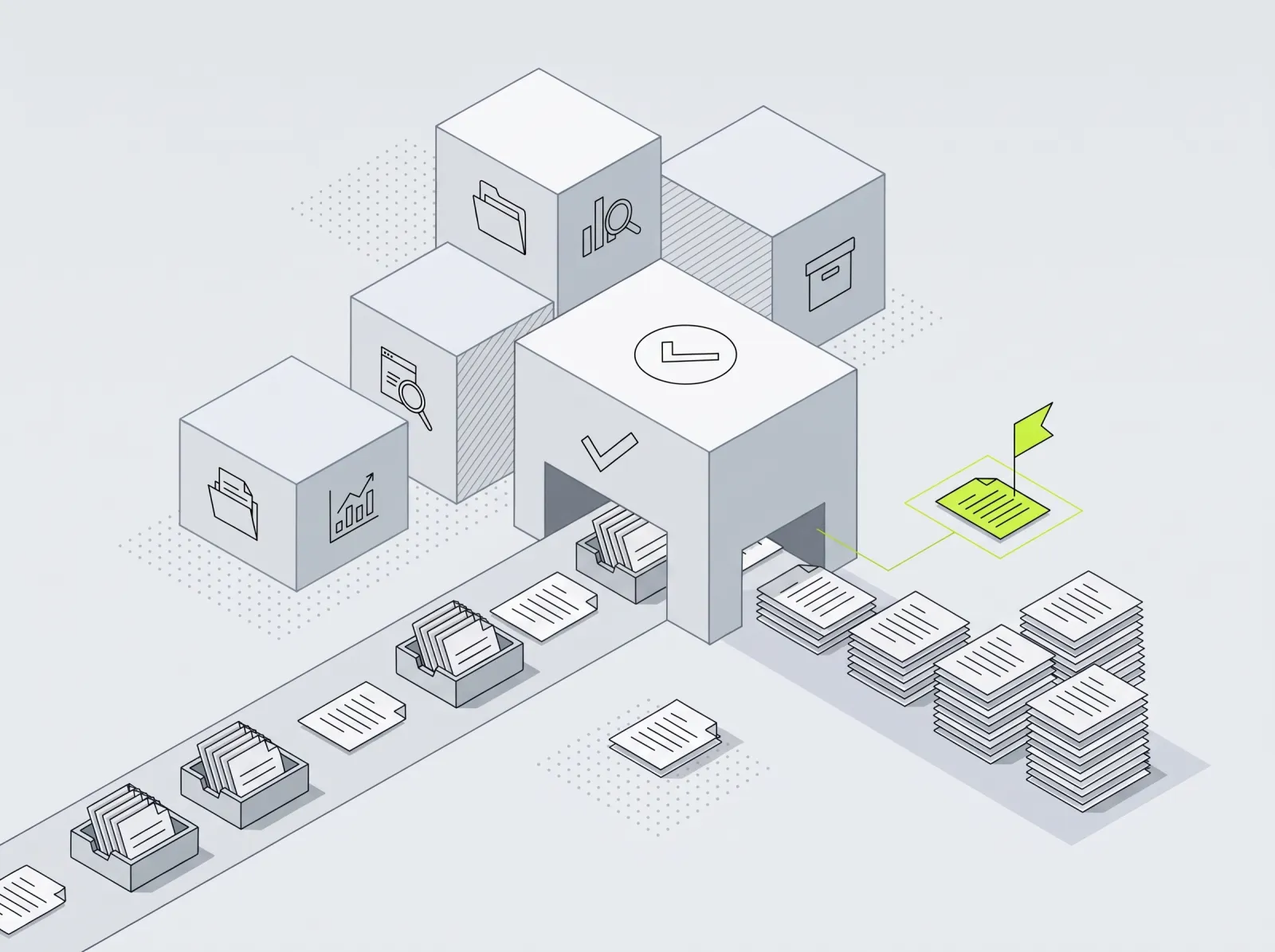
What pension supervisors need from SupTech
- 01
Fund returns checked as they land
Balance sheet, investment, fee and membership returns in XBRL, Excel or CSV, by portal, API or MCP, validated against your templates and rules at submission, so funds fix errors before your analysts open the file.
- 02
Funds compared on the same footing
Every return stored as structured facts, so fees, net returns, asset allocation and liquidity can be compared fund by fund and product by product the day the data lands.
- 03
From outlier to decision
Rules and AI flag the fund that stands out, read the narrative and attachments behind the numbers, and open a case with the evidence linked. Your supervisors decide, and every decision is recorded.
Proven in production
Four systems in six months at an international regulator
AML supervision intelligence, enforcement case management, a prudential submissions portal with real-time validation, and an incumbent vendor platform replaced. Competitors quoted eighteen months.
Who it is for: Pension and superannuation supervision departments, Integrated regulators covering insurance and pensions, Statistics teams collecting pension fund data, Authorities moving to outcome or performance testing.
We used to struggle to get anything across the line, and now things are flying through. People are reaching out to us. There’s a lot more trust built here.
Ready-made checks for the returns you already collect
Our returns library tracks 2,096 returns at 46 regulators in 33 jurisdictions, 665 of them in XBRL, with the format and validation rules for each.
Questions
Can Line4 collect superannuation and pension fund returns?
Yes. The platform collects whatever returns your regime sets, in XBRL, Excel or CSV, and applies your own templates and validation rules at submission. Our returns library already describes APRA’s superannuation reporting standards, with who files, how often, the deadline and the format for each.
Can we compare funds on fees and returns?
Yes. Because every return is validated and stored as structured data, fees, costs, net returns and asset allocation can be queried across funds and products on the day they arrive, without a clean-up cycle first.
Which pension returns can Line4 collect?
Whatever your regime sets: EIOPA’s quarterly and annual IORP templates, national prudential and statistical returns, funding ratio and recovery plan reports, member and contribution files, and actuarial statements. Our returns library describes more than 110 pension and superannuation returns from 13 regulators, including APRA’s superannuation reporting standards, DNB’s pension fund statements, BaFin’s IORP pension data reports and KNF’s pension fund data files, with links to the source for each.
Do IORP returns come in XBRL?
Yes, in the EU. EIOPA’s pension data templates have their own XBRL taxonomy. BaFin, for example, asks for one XBRL file to EIOPA’s pension funds taxonomy each quarter, with the ECB-extended entry points so a single filing meets EIOPA and ECB statistics needs, and DNB collects pension fund statements in XBRL under its own taxonomy. Line4 validates each file against the taxonomy and your own rules at submission.
Can AI review actuarial statements and recovery plans?
Yes. Narrative documents such as the actuary’s statement, a recovery plan or an own risk assessment usually arrive as PDFs. AI reads each one against the numbers in the fund’s returns and flags what needs a supervisor, with the passage linked. Your supervisors decide what to act on.
We supervise insurers too. Is it one platform?
Yes. Insurance, pensions and other returns run on the same platform with their own templates and rules, so an integrated regulator works from one place. See SupTech for insurance supervisors.
Where would we start?
Usually with one high-volume fund return collected through a validated portal, live in weeks in your own cloud tenancy, then fund comparison views and AI review of the narrative reports.
From Insights
Related
Platform modules
Our view
RegTech and SupTech are converging on real-time supervision by 2030. Line4 is built for that: checks at the gate in seconds, AI you can audit, and a switch that takes a week.